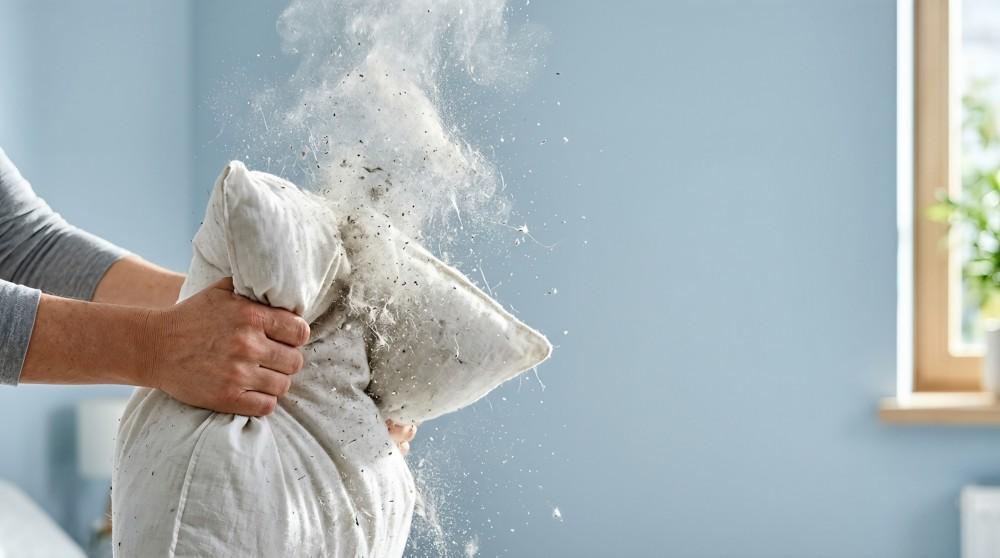
Do you wake up every morning with a stuffy nose, itchy eyes, a scratchy throat, or a lingering cough? You might blame outdoor pollen or a changing season, but the real culprit could be hiding right inside your mattress, pillows, and bedding.
Your bedroom is supposed to be a restful sanctuary, but it is often the primary reservoir for microscopic environmental triggers. This is a widespread concern across the country, as chronic respiratory issues like asthma and allergic rhinitis affect an estimated 24.9 million individuals in the United States, according to the Centers for Disease Control and Prevention.
At Allergy & Asthma Affiliates in Lansdowne and Gainesville, Virginia, Srinagesh Paluvoi, MD, FAAP, FACAAI, and our dedicated team specialize in identifying the invisible indoor triggers disrupting your health. If you struggle with chronic morning congestion or unrefreshed sleep, understanding these hidden bedroom allergens is the first step toward breathing easier.
Common hidden bedroom allergens
While your bedroom may look spotless to the naked eye, microscopic proteins easily settle into fabric fibers, carpets, and soft furnishings. The most frequent culprits include:
- Dust mites: Microscopic organisms that thrive in warm, humid mattresses and pillows, feeding on shed human skin cells
- Pet dander: Lightweight microscopic flecks of skin shed by cats and dogs that remain suspended in the air before landing on your bedding
- Mold spores: Microscopic fungi that flourish in humid indoor microclimates, window sills, and adjoining master bathrooms
- Pest residues: Traces of pest droppings or debris that trigger inflammation in sensitive airways
How indoor allergens impact your sleep and energy
Inhaling these microscopic particles overnight causes persistent upper airway inflammation, leading to swollen nasal passages, sinus pressure, and restricted breathing.
This chronic irritation does more than cause a runny nose — it fundamentally fragments your rest. A clinical study published in The Journal of Allergy and Clinical Immunology: Global (2025) found that elevated bedroom pet allergen levels were associated with a 74% relative increase in reported trouble sleeping among affected adults. Over time, this chronic lack of deep sleep leaves you perpetually fatigued and impacts your daily quality of life.
Furthermore, if you experience persistent coughing or nighttime wheezing, these indoor particles can frequently aggravate underlying asthma symptoms.
Simple steps to eliminate bedroom triggers
Implementing a multi-component environmental control strategy in your sleeping area is the most effective way to lower allergen exposure:
1. Use protective covers
Encase your mattress, box spring, and pillows in high-quality, zippered allergen-impermeable covers to trap dust mites.
2. Wash bedding in hot water
Wash sheets, pillowcases, and blankets weekly in hot water (at least 130°F) to neutralize active dust mites.
3. Filter your indoor air
Run a portable HEPA air purifier in your bedroom to capture lightweight airborne dander and mold spores before you breathe them in.
4. Keep pets out of the bedroom
Create an allergen-free sanctuary by keeping furry family members off your bed and out of the sleeping area.
Discovering the right treatment plan
Environmental controls are essential, but relying on lifestyle changes alone isn't always enough to stop chronic symptoms. Identifying your exact triggers through professional allergy testing allows Dr. Paluvoi to create a targeted, highly effective treatment plan.
Depending on your specific sensitivities, Dr. Paluvoi may recommend prescription nasal sprays, oral medications, targeted asthma inhalers, or long-term immunotherapy (allergy shots) to desensitize your immune system and provide lasting relief.
You don't have to live with fragmented sleep, morning congestion, or unexplained fatigue. If you suspect your bedroom is triggering your symptoms, please contact our team today by calling our office in Lansdowne or Gainesville, Virginia, or by booking an appointment online.